Building reading and writing skills, stage by stage.
Reading and writing do not develop all at once. They grow in stages, and the support that helps a seven-year-old is very different from what helps a fourteen-year-old. Knowing which stage your child is at makes it much easier to help.
TutorGator tutors English online, one to one, across every stage of NSW schooling. Here is what matters most at each point.
Decoding and fluency in early primary
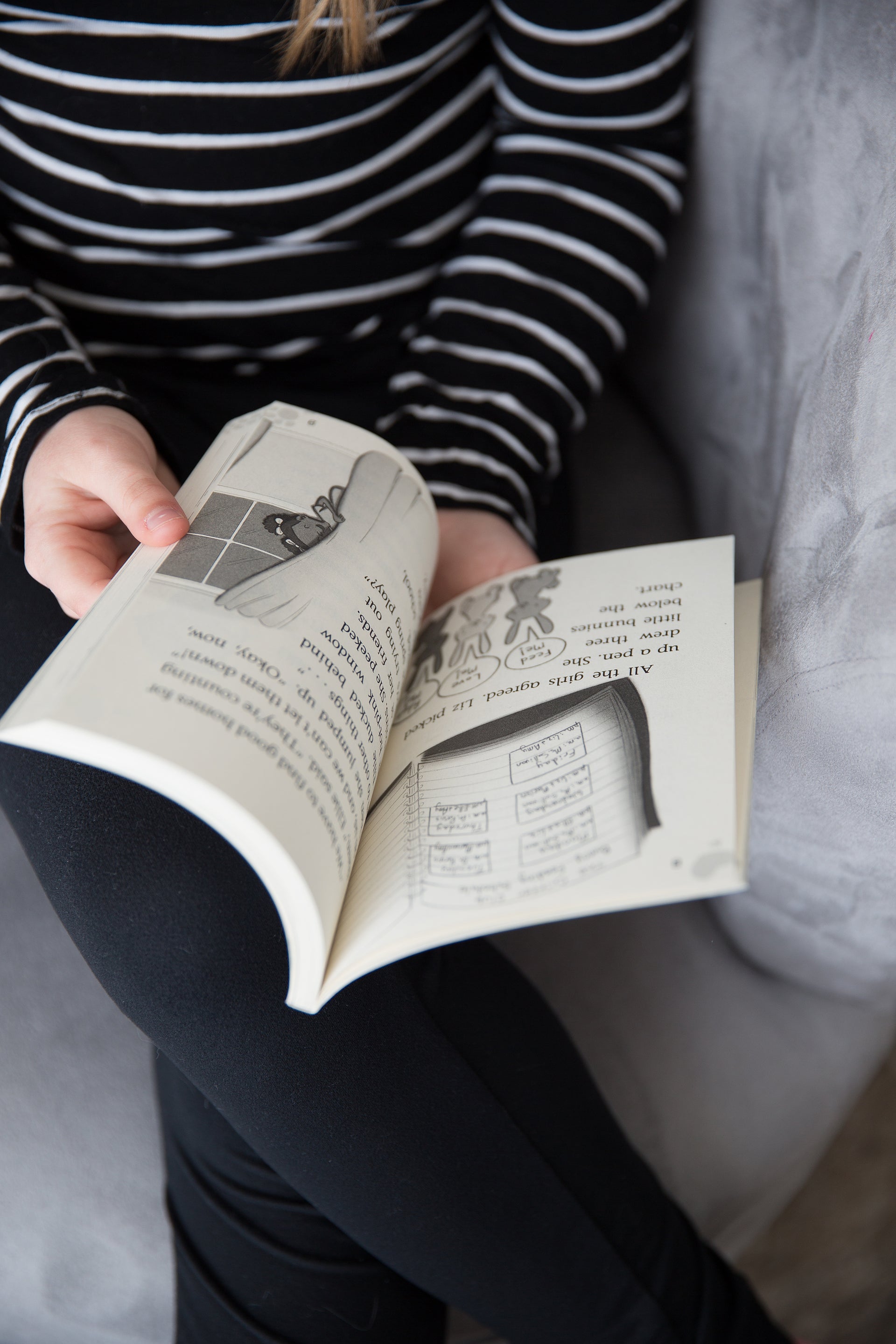
In the first years of school, children learn to decode, turning letters into sounds and sounds into words. Then they build fluency, reading smoothly enough that their attention can move from the words to the meaning.
Reading aloud together every day is the best support at this stage. Short, regular sessions with books at the right level, not too easy and not frustrating, build both skill and confidence.
Early writing is about forming letters, spelling common words and getting ideas onto the page in simple sentences.
Comprehension and structure in upper primary
By Years 4 to 6, the focus shifts to understanding what is read: inferring meaning, recognising the author's purpose, and summarising. Asking children why a character acted a certain way, or what an article was trying to persuade them of, builds these skills.
Writing becomes more structured. Children learn the shape of narratives and persuasive texts, and start using paragraphs properly. Our guide to NAPLAN writing explains what markers look for at this stage.
Reading across subjects in early high school
From Year 7, students read far more, and far more complex texts, in every subject. Strong readers manage that load comfortably. Writing moves towards analytical paragraphs that make a point and support it with evidence.
Analysis in senior school
In Years 11 and 12, English is about analysing how texts create meaning and writing sustained, well-argued responses. Our post on Year 12 English shows what that looks like in practice.
What helps at every stage
Two habits matter at every age: reading regularly for enjoyment, and writing with specific feedback. Everything else builds on those.
Read why strong English skills matter, see our primary English and high school English pages, or request a call.
Talk to us about your child's tutoring.
Request a call and we will match your child with the right tutor.