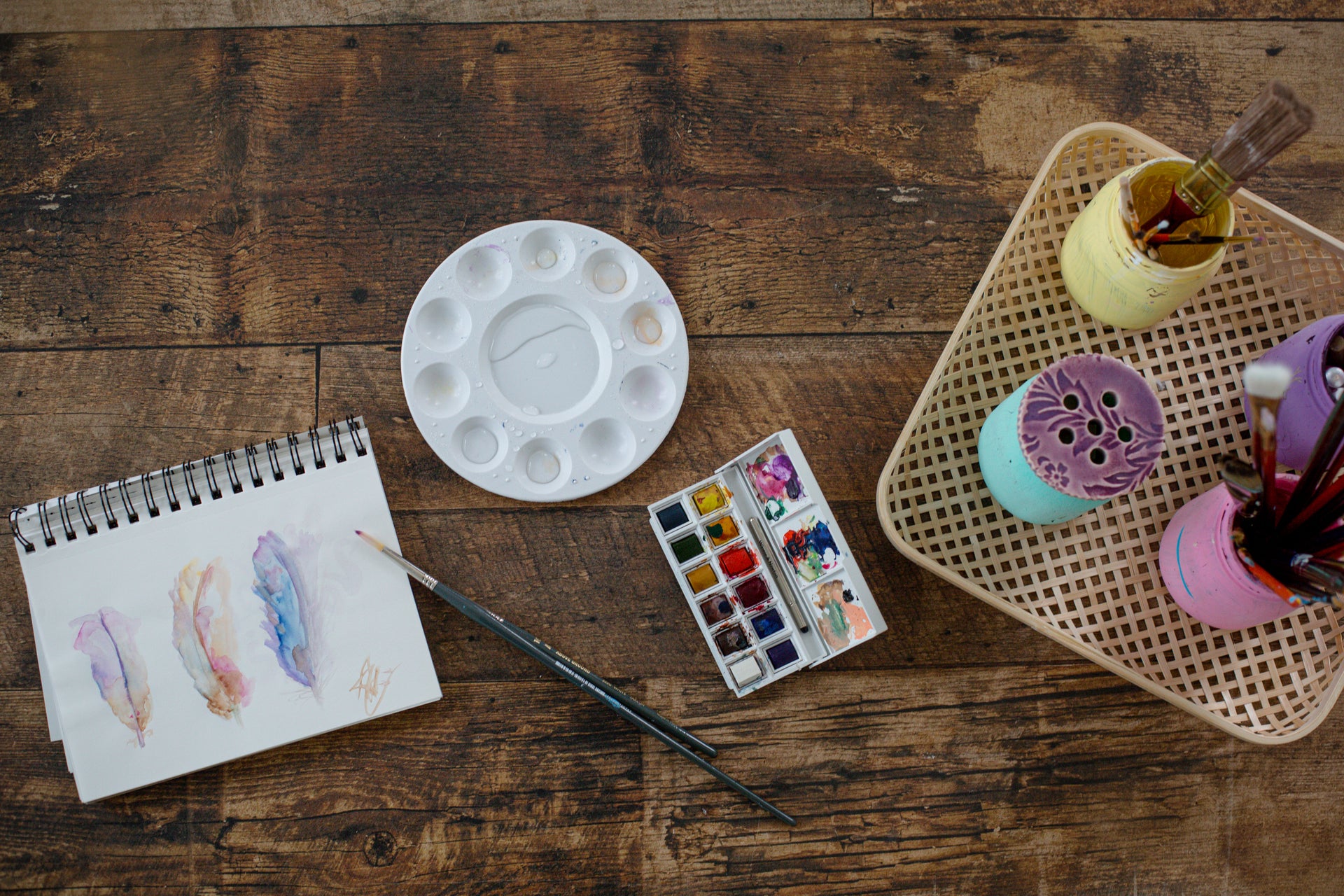
Why a hobby helps your child learn, inside and outside the classroom.
Music lessons, drawing, chess, gardening, coding, sport, collecting, building models. A hobby can look like time away from learning. In fact, the skills children build through a hobby they care about often carry straight back into the classroom.
TutorGator tutors NSW students online in the core school subjects. Here is why we think a good hobby is worth making room for alongside them.
Focus and patience
Working on a drawing, practising a piece of music or building a model takes sustained attention. Children who regularly lose themselves in a hobby are practising the same focus they need for a long maths problem or a piece of writing.
Persistence
Every hobby has a stage where it is hard. A new chord, a tricky skateboard trick, a level in a game that takes twenty tries. Pushing through that and getting better teaches children that practice pays off, a lesson that is easier to learn on something they love.
Creativity and problem solving
Hobbies like art, building, coding and cooking involve trying ideas, seeing what happens and adjusting. That kind of thinking supports problem solving in every subject.
Hidden learning
Many hobbies are full of school skills. Music involves counting and patterns. Cooking involves measurement and fractions. Gardening involves science. Collecting involves sorting and classifying. Reading about a hobby builds vocabulary.
Confidence
Being good at something outside school matters, especially for children who find school hard. Success in a hobby can give a child confidence to try in other areas too.
A healthy break
Children need time when they are not being assessed. A hobby gives them something absorbing and enjoyable that is theirs, which helps balance busy school weeks.
Choosing a hobby
Follow your child's interests rather than choosing for them. Let them try a few things before committing, and accept that interests change. One or two activities they enjoy are better than a packed schedule that leaves no time to rest.
Read after-school routines for how to fit activities in, or request a call.
Talk to us about your child's tutoring.
Request a call and we will match your child with the right tutor.